.svg)


Market Timing involves allocating assets among investments by switching into investments that appear to be beginning an uptrend, and switching out of investments that appear to be starting a downtrend. This primarily consists of switching between mutual funds and money market funds. Typically, trend following indicators are used to determine the direction of a fund and to identify buy and sell signals. In an up move "buy signal," money is transferred from a money market fund into a mutual fund in an attempt to capture a capital gain. In a down move "sell signal," the assets in the mutual fund are sold and moved back into the money market fund for safe keeping until the next up move. The goal is to avoid being invested in mutual funds during a market decline.
BarclayHedge ProAccess
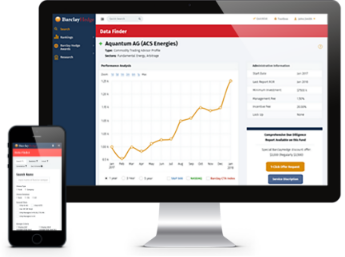
Access in-depth knowledge on the firms, strategies, performance and investments with BarclayHedge ProAccess. Leverage the advanced analytics tools in FundFinder along with complete access to BarclayHedge research reports and exclusive articles for members only.